

A Happy Life in Medicine

Can we just be happy?

Some doctors get forty happy years of practice, while others burn out in four.

Students choose medicine for the promise of meaningful work, but also because they could choose otherwise. Medicine offers more, in part, because it takes so much.

Friends collect jobs, houses, and husbands, while med students collect caffeine addictions and debt. But they survive on the certainty that practice will be worth the sacrifice. Happiness awaits.

Unprepared

A decade immersed in novelty and new skills does not prepare doctors. Practice means fixing the same problems, using old skills, over and over and over. Repetition defines expertise.

The same shortages of beds, tech, and backup impact all the same patients. Unnecessary suffering becomes insufferable.

A number of doctors dilute the insufferable with academia or administration. Academics work to reproduce the buzz of medical school. They chase novelty and credentials. It carries them beyond the point when most adults have stopped asking questions about meaning and work.

Administration also dilutes clinical work and can amplify influence in meetings about Important Things. But leadership is often a one-way street. Surgeons do not return to surgery after years as a full-time Chief of Staff.

Regular Working Doctors

Most doctors just practice medicine and suppress the insufferable. For many, “Just practicing medicine,” feels like saying you live in your mom’s basement. Regular working doctors jump from training into a practice, marriage, kids, house, cars, and more debt. Continue reading “A Happy Life in Medicine”

Medicare and Baking — Why Passion Matters

Professor Umbridge

Are doctors who complain about medicare just whiners?

We all know that society needs good government.

Government maintains order, protects private property, and wins wars.

Shouldn’t it also manage and distribute something as precious as health care?

Many people think that single payer health care is the only moral and just way to provide care.

If we judge society by how it treats its most vulnerable citizens, then we must have government play a central role in providing care.

Medicare and Baking

We can capture single payer health care with two analogies: baking a cake and raising a child. People might recognize cakes and kids from complexity theory, and they would be wrong. This is different.

Baking With Passion

Imagine you are born foodie. You have a passion for the smell, taste, and preparation of food. You take courses and perform at the top of your class.

Eventually, you travel to a distant land, learn from the best bakers, and return home as a certified doctor of bakery (with huge student debts of course).

A small town in Iceland needs cakes desperately. So you start a bakery there.  The government provides all the ingredients. You just bake and serve cakes to the community.

You bake like mad: late at night, all weekend, and on holidays. People love your cakes, and you love baking. Your baking improves as you adjust cakes based on the needs of your community.

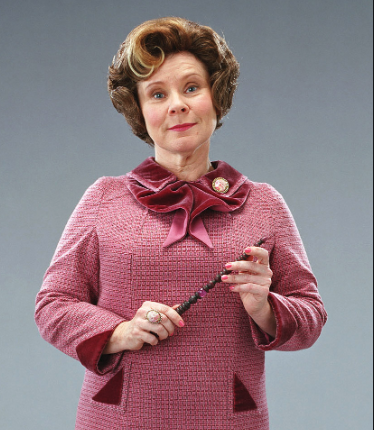
After 10 months, a woman with a suit and clipboard shows up. She reminds you of Professor Umbridge, from Hogwarts. She has come from the government and is there to help. Continue reading “Medicare and Baking — Why Passion Matters”

Why the OMA Failed and How It Could Fail Again

Forgetting the past.

The OMA failed in 2016-17.  Doctors will talk about it for decades. If the OMA were a country, it would build a memorial.

The crisis forced the OMA to do what consultants had been telling it to do for decades.

The OMA changed course, rebuilt, and is better now. But the change is new and precarious. Without holding to a deep, direction-changing understanding of why it failed, the OMA could fail again.

1st Reason the OMA Failed

The OMA forgot to represent members.”

But what does that mean? As the OMA was sinking, everyone thought they were representing members. Everyone believed they had doctors’ best interests in mind. Good intentions and better knowledge guaranteed great outcomes.

Just because we know more does not mean we know best. The OMA knows many things. But it had lost sight of the one thing a membership organization must know.

Service organizations survive on a paradox: The customer knows best. Even junior service reps at Apple know more about computers than most customers.

Superior knowledge must never usurp the mandate to serve. Service means an unshakable belief that the customer knows best.

No One’s Smart Enough

A group of really smart service reps will never know all that individual customers know about their own needs and preferences. Continue reading “Why the OMA Failed and How It Could Fail Again”