
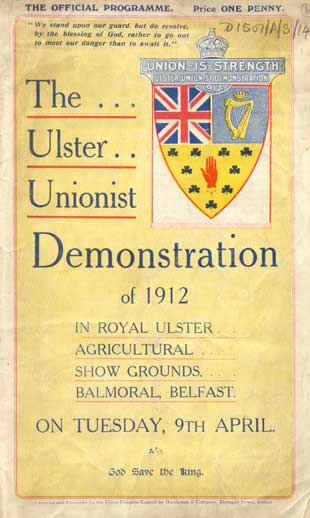
Big Business Created Big Labour

unionistsBig Labour wouldn’t exist if big business hadn’t incited it.  The balance of power swings back and forth between them.

Before big business, peasants’ labour made wealthy Lords richer.  They say the feudal manor system grew by robbery and usurpation.

The industrial revolution widened the gap between owners and peasants creating Dickensian dystopia.  The state supported concentration of power and enforced work discipline.

Unrestrained greed kept workers under heel.  It’s no wonder Marx’s ideas flourished.

Finally workers united.

They struck back with clenched fists.  Workers fought against greed and usurpation.  They held high moral ground.

They got laws changed.

Big Labour Won!

Unions gave us 

  • Weekends
  • All Breaks at Work, including your Lunch Breaks
  • Paid Vacation
  • Sick Leave
  • Social Security
  • Minimum Wage
  • Civil Rights Act/Title VII (Prohibits Employer Discrimination)
  • 8-Hour Work Day
  • Overtime Pay
  • Child Labor Laws
  • Occupational Safety & Health Act (OSHA)
  • 40 Hour Work Week
  • Worker’s Compensation (Worker’s Comp)
  • Unemployment Insurance
  • Pensions
  • Workplace Safety Standards and Regulations
  • Employer Health Care Insurance
  • Collective Bargaining Rights for Employees
  • Wrongful Termination Laws
  • Age Discrimination in Employment Act of 1967
  • Whistleblower Protection Laws
  • Employee Polygraph Protect Act (Prohibits Employer from using a lie detector test on an employee)
  • Veteran’s Employment and Training Services (VETS)
  • Compensation increases and Evaluations (Raises)
  • Sexual Harassment Laws
  • Americans With Disabilities Act (ADA)
  • Holiday Pay
  • Employer Dental, Life, and Vision Insurance
  • Privacy Rights
  • Pregnancy and Parental Leave
  • Military Leave
  • The Right to Strike
  • Public Education for Children
  • Equal Pay Acts of 1963 & 2011 (Requires employers pay men and women equally for the same amount of work)
  • Laws Ending Sweatshops in the United States

“History became legend.  Legend became myth…”

Time has passed.  Society changed.

Today, Big Labour acts like manor Lords.  Closing factories means nothing if Labour doesn’t get its way.  Unionists inflame workers with Dickensian tales.  Unions control politicians even more than the industrialists before them.

Big Labour appeals to envy and greed.

“Not fair!” comes out of a child’s mouth hardly a year after learning “No!” and “Mine!”  Unions appeal to atavistic passion inciting guttural cries over our peers.

Another Revolution?

Like so many revolutions before – Russian, French, Cuban – despots get dispatched to make room for dictators.

Do we need a movement to limit Big Labour?

Who will save us?  Who will restore balance to the insatiable greed driving unions to put self before customer?  Who will speak for patients?
Baby Boomer Healthcare

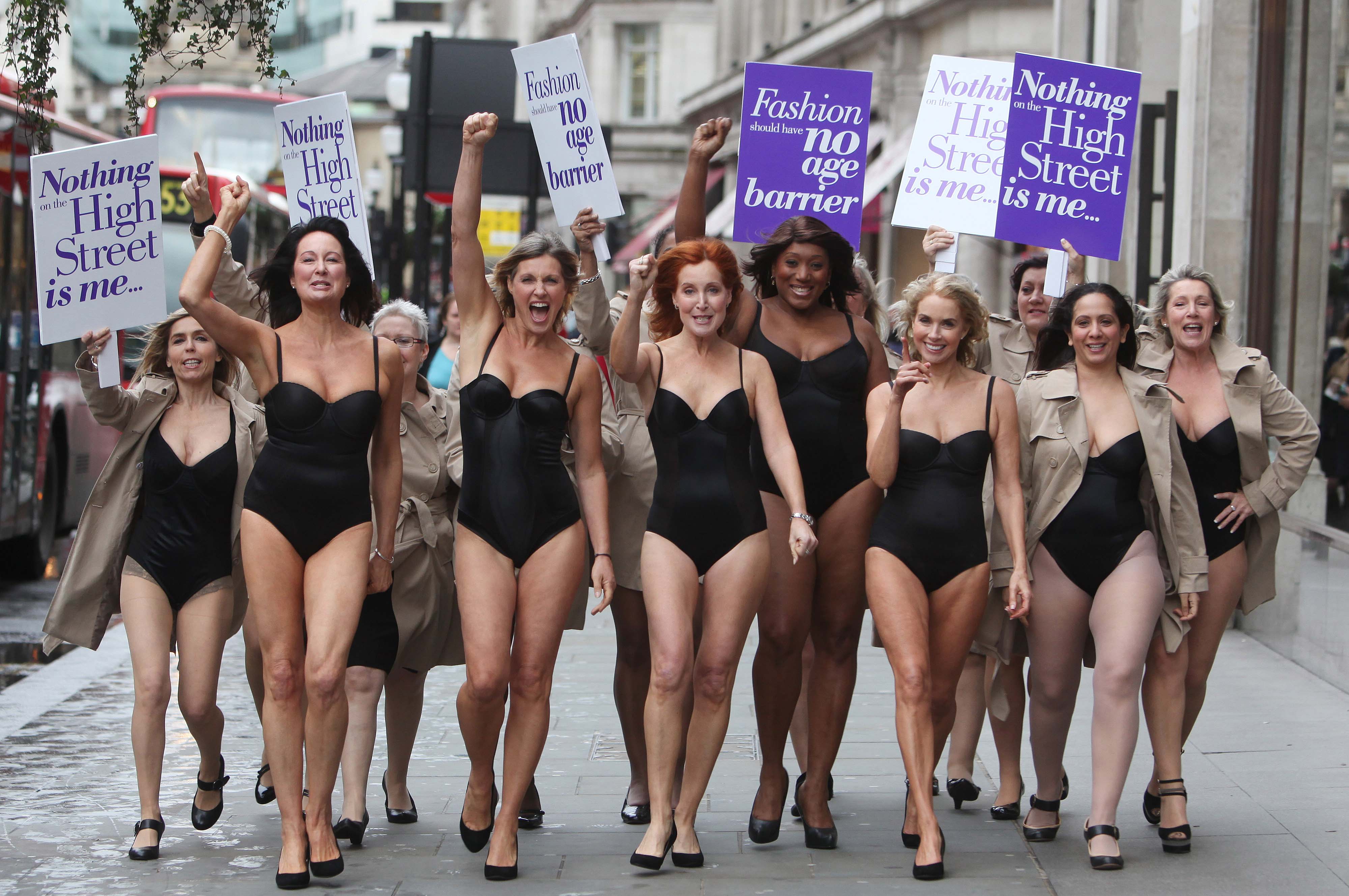
baby boomer protestWill Baby Boomers bring down Medicare? A cottage industry runs on blaming Boomers for everything (Boom Bust & Echo: Profiting from the Demographic Shift in the 21st Century).

The logic for blaming Boomers goes like this: Boomers make a population bulge.  Boomers are aging.  Old people get sick.  Ergo, old Baby Boomers will overwhelm Medicare.

Despite everything they’re blamed for, old people do not guarantee system failure (and Baby Boomers are not old!…yet).  Age might be one factor.  But many old, sick people access the system less than the young worried well. Of course, most healthcare spending occurs in the last 6 months of life.  An aging population will drive change, but there might be an even bigger factor.

Baby Boomer Attitude

Demographers believe Baby Boomers have attitude.  Not just ‘an’ attitude but attitude.  They know what they want.  They change things they don’t like.

  • They won’t put up with waits.
  • They won’t put up with no choice.
  • They won’t put up with hordes of patients jammed into hallways and EDs because no beds are available.
  • They will demand efficiency.
  • They will demand great patient service.
  • They will want medical experts leading healthcare, not inexperienced bureaucrats and allied health providers.

Boomers expect to stay active, healthy and productive for as long as possible.  They want control.  If early retirement doesn’t impress them, they want to stay fit and working long past 65.  They accept the responsibility of choice and ownership.

Here’s what other’s are saying:

Baby Boomers in 10 Years

When we look back, people might ask, “Hey, weren’t you involved back then?  What did YOU do to improve things?”

We can advocate for change now.

  • Fly patients to the USA when wait times exceed a limit….say, 4 weeks?
  • Reward hospitals only when they see patients, instead of before they see patients (block funding), or only when they follow recipe care (QBPs)?
  • Ask patients what Canadian healthcare could learn from other industries, other countries?
  • Ask patients whether they think healthcare should be as good as pet care or prisoner care?

What do you think?  Baby Boomers have reshaped everything they’ve ever come up against.  How will they reshape healthcare?

 photo credit: check out Swimsuit protest from feistysideoffifty.com

Healthcare Control Using Fear

Command-ControlGiven enough fear, people welcome control.

Sickness and trauma scare us. Patients need to hear, “It’s okay. Don’t worry. You’re going to be all right.”

Fear begs action.

Scared people want someone in control. In the past, doctors and nurses calmed fears.  Patients just focused on recovery.

Medicine got better.  Worry about sickness decreased, and worry about hospital bills increased. Losing homes became as much a concern as losing health.

Media sells on fear, especially in the USA:

Desperate Times Call for Drastic Measures

Extremis malis extrema remedia

Pundits leverage people’s dread of sickness. Panic about rare, high-cost medical catastrophes justifies command and control over delivery of everything else.

People don’t panic over high blood pressure or diabetes.  But most healthcare dollars go to chronic disease and risky behaviour in the USA and in Canada.

Paradoxically, central planners back off a little in the provision of high profile, newsworthy medical care. Trauma care works best when doctors set up systems guided by outcomes.   Bureaucrats let medical experts design delivery and just pay the bill; it’s a much smaller portion of healthcare spending anyways.

But fear about medical bankruptcy justifies more and more micromanagement of everything else.

Healthcare Control

Service, quality and efficiency needs empowered front line providers.  Patients suffer when physicians are bound by rigid guidelines, shackled by fear of lawsuits and motivated by perverse incentives. Patients benefit when providers are incentivized to meet patient needs, not system rules.

Command and control does not work in business (Command and Control Leadership Doesn’t Cut it Any More – Globe and Mail).  It will never work in healthcare.  But fear continues to justify military-style leadership leaving patients on the sidelines as costs.

Most of us support a safety net for rare, catastrophic illness.  It’s dishonest to use legitimate fear about medical catastrophe to allow central healthcare control that harms patient access, service and quality.  For the bulk of healthcare spending, we should empower patients and providers and let them drive service, quality and efficiency.  We should stop supporting central command and control.

What do you think?  Do we need more centralized, bureaucratic healthcare control or less?

 Photo credit: engageforsuccess.org.  Check out their post on Command and Control.